{"available": "entirely", "availability": {"status": {"Recruiting Status 26/27":"RP 26/27","Recruiting Status 27/28":"RP 27/28","Recruiting Status 25/26":"RP 25/26"}, "dates": [{"name":"September 2026","month":"September","year":2026},{"name":"September 2027","month":"September","year":2027},{"name":"September 2025","month":"September","year":2025}]}}
BA (Hons)
-
Photography
We live in a visual age. Our BA (Hons) Photography degree gives you the skills, experience and creative confidence to produce impactful images and build a future in an exciting and evolving profession.
At Cumbria, two-thirds of your time is dedicated to hands-on learning through practical workshops and personalised teaching, helping you develop your craft from day one. You'll gain a deep understanding of image production, editing, printing and online imagery while creating work that reflects your own creative voice.
You'll have access to industry-standard facilities and equipment, including cutting-edge cameras, black and white and colour darkrooms, and four fully equipped photographic studios, giving you the freedom to experiment, explore and refine your practice.
Learn from a dedicated team of photography professionals with extensive industry experience who will support, challenge and inspire you throughout your studies. As you build your technical expertise, you'll also develop the professional skills needed to succeed in a creative industry.
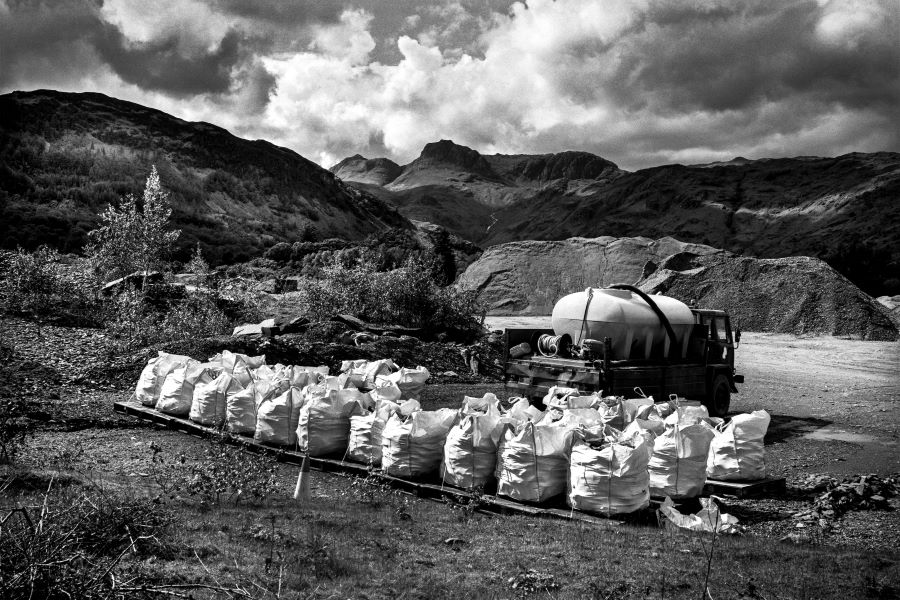
Field trips and on-location shoots will take you into the heart of the Lake District, Cumbria and Northumberland, providing opportunities to capture remarkable landscapes and gain experience working in a range of settings. You'll also connect with visiting photographers and industry professionals through our programme of guest speakers, helping you expand your network, gain insight into the profession and explore future career opportunities.
Discover your creative potential and move forward with photography at the University of Cumbria.
The BA (Hons) Photography degree offers the opportunity to explore your creativity and photographic practice, encouraging you to experiment across genres such as studio portraiture, documentary, editorial, commercial, and landscape photography. Whether you're capturing compelling narratives or crafting striking visual compositions, you'll build a strong creative identity, and a versatile skill set that reflects the demands of today’s photography industry.
Studying at our specialist arts campus, you’ll be immersed in a supportive creative community and spend two thirds of your time developing hands-on skills in both digital and analogue photography. With expert guidance, you’ll explore image-making techniques, visual storytelling, and the professional workflows needed to produce work for both print and digital platforms.
We operate an open-door policy and will be on hand to help you hone your work whenever you need us. Our experienced tutors bring real-world insights from current industry practice, helping you stay ahead of trends and technologies. Regular guest lectures, workshops, and industry-led projects provide valuable exposure to professional perspectives. You'll also have the chance to take part in inspirational field trips, collaborative projects, and public exhibitions—preparing you for a successful career in the fast-evolving creative industries.
On this course you will...
Develop your photographic and editing skills while experimenting during workshops and outdoor activities.
Work with students across the creative arts, collaborating on projects and exploring new mediums.
Be taught by industry experts with experience working freelance and within creative organisations.
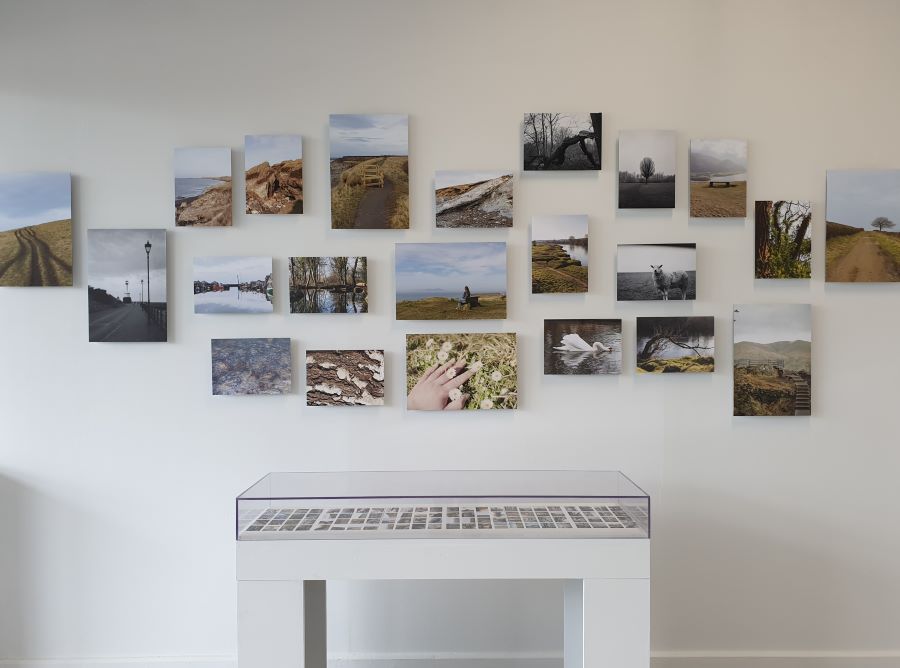
Have the opportunity to exhibit your work publicly alongside the work of classmates across the arts.
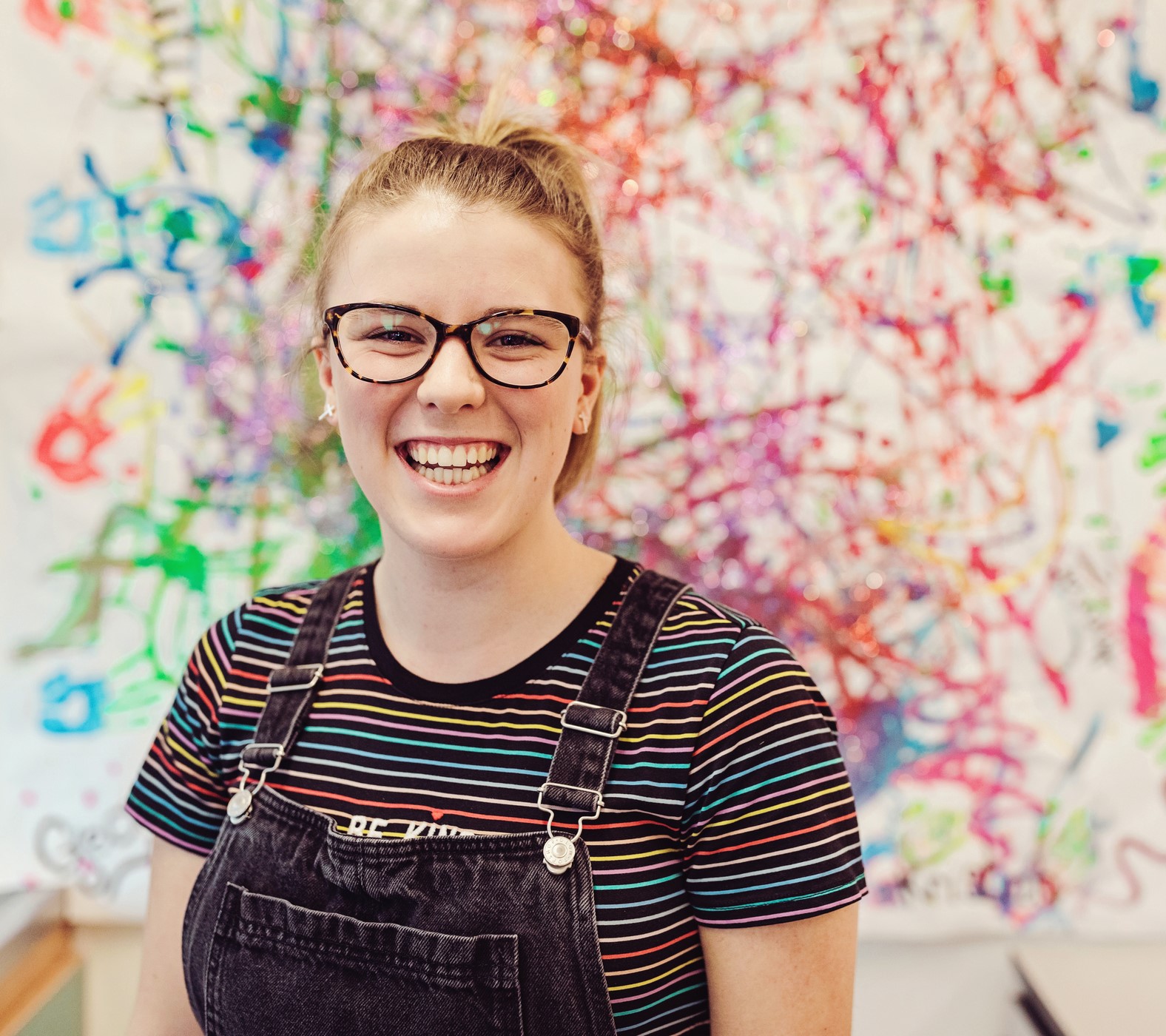
I chose the University of Cumbria because of how personal the photography course felt. I attended a few Open Days at the university with taster sessions, and it became apparent that I could shape my education in photography to my own interests.
Kara Ashurst - BA (Hons) Photography
Kara graduated in 2023 and is looking to complete the Creative Practice (MA)
I solidified my decision when I attended an Open Day, where I saw the huge darkroom, photography studios, and had firsthand experiences of how supportive the course is, the variety it offers, and the opportunities it provides.
Photography is a fantastically versatile discipline and as such offers many routes into employment within the creative industries.
At the University of Cumbria, we have designed a programme that allows you to experiment with techniques, develop your practical skills, study through critical thinking and enquiry.
Informed by the clear integration of practice and theory, and by an expectation of your intellectual engagement in Photography practice, you will develop transferable skills.
Year one
In your first year, you will focus on The Photographic Environment which deals with the cornerstone craft of photographic image capture, both analogue and digital, in application to and investigation of, your photographic interests.
Research and contextual skills will be established at this level as we introduce the work of significant photographers and explore how influences and themes can be tracked through history, thereby setting the stage for the development of your own work.
Photographic Image Capture An introduction to technical skills in digital & analogue photographic contexts.
Cultural Contexts An introduction to the cultural, historical and social contexts in which creative work from a range of disciplines will be considered
Picturing Place: Culture & Identity Explore the idea of place; different environments, cultures and identities informed by locale.
Collaborative Practice Develop your ability to collaborate in professional scenarios through problem-solving and project-based learning.
Year two
In your second year, you will explore the function of the photograph, examining socially engaged photography that responds to real-world issues and themes. As you broaden your photographic horizons, you will develop the strategies and methods needed to create work that resonates with and impacts audiences.
You will also deepen your engagement with photographic theory, critical thinking and visual analysis, building a greater understanding of how photographs are viewed, interpreted and influence visual culture.
The enrichment module, Immersive Image-Making, provides space for experimentation and play, exploring both traditional and alternative processes alongside cutting-edge technologies.
By enhancing your creativity, problem-solving abilities, confidence in taking risks and imaginative thinking, the second year of your studies will expand your practical skills and creative confidence. This will enable you to realise your full potential, preparing you for a more focused final year and supporting your transition into employment and professional practice beyond university.
Networks & Narratives: Photography in the Community Explore contemporary themes in photography.
Immersive Image-Making Enrich your personal photographic practice by experimenting with both traditional and cutting-edge technologies.
The Photographic Interface: Industry Experience An opportunity to explore your practice through a range of briefs set by industry professionals.
Theorising Photography Develop the skills to think critically and generate original ideas informed by examples of influential scholarship.
Year three
Your final year will revolve around an Independent Showcase where you will take full charge of your own practice and bring it into the public domain.
Research, practice and professional skills come together in the final year of study to refine and showcase your personal vision and expression of photographic practice. At this point, you will be an independent, intelligent and competent practitioner with a personal portfolio representing the breadth of your skill and the depth of your engagement.
Blueprint of Practice Refine your autonomous photographic practice through the synthesis of research and creativity.
Independent Research Paper Develop specialised and focused knowledge and understanding of a subject of your own choice.
Resolution of Practice Carry out a self-designed, in-depth, and investigative personal project.
Teaching & Assessment
How you will learn
Throughout the course, you will learn through a variety of approaches to ensure the development of skills, concepts, and knowledge. In this time you will develop both social and independent learning techniques through:
Lectures and seminars - in-person sessions that allow you to explore photographic theory, develop your contextual understanding, and engage in group discussions.
Tutorials - 1:1 or small group sessions with tutors where you discuss progress, assessment plans, and gain feedback on your work.
Practical Workshop Sessions - Here, you will develop specialist technical skills and knowledge through demonstrations and practice using our high-quality equipment.
Problem-based Learning - a key element of your learning, you will learn problem-solving skills by negotiating situational demands, working to a brief, and communicating with your audience.
Group work
Independent Learning
Briefs - develop your photographic knowledge and expertise to inform your professional portfolio.
How you will be assessed
A range of graded and non-graded assessments will take place throughout the course. Our programme is designed to encourage inquiry, curiosity, and the exploration of personal interests, allowing you to tailor briefs as you become more confident in your practice. Work and learning outcomes are in tune with industry demands, preparing you for professional practice through portfolios, exhibitions, photo books, and mock interviews.
You’ll be continuously involved in the assessment of your own work and that of your peers; developing critical interpersonal and team-working skills. Examples of the assessment types you will tackle include: Class critiques, written essays, peer review, portfolio reviews, mock interviews, and exhibitions.
Overview
104-112 UCAS Tariff Points, You can find out more about the tariff and qualification options from the UCAS tariff table. Offers are tailored to the individual applicant and their circumstances and can be across the tariff range. Applicants who meet our contextual information criteria will be offered at the bottom of the range.
Qualifications
Entry Requirements
A-levels: BCC-BBC
T-levels: P (C+) – M. All subjects are accepted for entry to this course
Access to HE: 15 Credits at Distinction & 30 at Merit
Scottish Highers: BBBC - BBBA
Irish LC Highers: B1, B2x3 – B1x3, B2
Alternative routes: If you don't think you'll meet the criteria for direct application to this course, check out our Integrated Foundation Year.
Fair Admissions
When you apply, our Admissions specialists will review your whole application. We are looking for your potential to succeed so will assess your qualifications, any relevant work experience, your personal statement, and references.
When we review your portfolio, we are assessing your ability to benefit from the course you have applied for. Any offers are based on your whole application and the review of your portfolio of work.
Where you have received a conditional offer subject to achieving particular grades/UCAS tariff scores, and do not quite meet these scores, please try not to worry, where vacancies exist our Admissions specialists will review your whole application again and take account of any mitigating circumstances and reassess your suitability for the course.
Selection Criteria
As part of the application and selection process, we are looking for your commitment to this programme. In your personal statement, you should demonstrate your motivation for choosing Photography and reflect upon any experience you have gained.
All places are offered subject to successful interview and portfolio. Please prepare your portfolio carefully to show evidence of your photography, creativity, art work and idea development. There is no one, ideal portfolio and we are used to looking at the work of students from many different courses and colleges.
At interview you have the opportunity to demonstrate what inspires you and what interests you in life and this is what will inform your work and your career as a photographer.
Contextual Admissions
Going to higher education can transform a person’s life. We use contextual admissions to make sure that we are accessible to everyone who has the potential to succeed. Qualifications and grades are important, but they are considered alongside other information that helps universities to identify potential and widen access to university level study. For some individuals, the disadvantages they have experienced in their life mean that they have not been able to demonstrate their full academic potential. Where a person lives and their personal circumstances can all affect their educational attainment.
We take this context into account and look for an applicant’s potential when making admission decisions. The University of Cumbria will make offers at the bottom of any UCAS Tariff range to applicants that live in postal code regions with the lowest participation in Higher Education (Polar 4 quintile 1 – you can check your postcode here), applicants that are estranged from their parents, are care leavers or have caring responsibilities or are in receipt of or received free school meals during their secondary education. Attendance at our Masterclasses and Summer Schools will also allow applicants to receive an offer lower within the tariff range. (T&Cs apply)
If you are over 21 and returning to study after being in relevant employment for a minimum of 3 years and do not meet the published entry requirements for Year 1 of our degree courses, please do not assume you are not qualified to join us. Our experienced Admissions and Academic staff will review your prior qualifications and professional experience to support your application.
Language requirements
Please follow the link to check language requirements for this programme here.
Fees & Funding
Tuition Fees
UK Tuition fees
£9,535 Entry in academic year 2025/26
£9,790 Entry in 2026/27 academic year
International Tuition fees
£14,900 Entry in academic year 2025/26
£16,000 Entry in 2026/27 academic year
The figures above don't include accommodation and living costs.
Tuition fees are set annually and are subject to review each year. The University may therefore raise tuition fees in the second or subsequent years of a course, in line with inflation and/or the maximum permitted by law or Government policy. Students will be notified of any changes as soon as possible.
International Finance
At the University of Cumbria, we offer affordable tuition fees for international and EU students looking to study at one of our main four campuses. No matter your choice of course or career path, our International Team is here to support you.
We have a wide range of scholarships, bursaries, grants and funds available to support you throughout your studies with us. This includes the Cumbria Bursary - a non-repayable bursary designed to support first year students with a household income of less than £25,000..
You should budget for stationery and consumables for personal use. These may include notebooks, pens and pencils, digital storage devices, printing and photocopying. The amount you spend will depend on your study preferences.
Books and journals
Approximately £50 to £300 over the course of your studies
Optional · Throughout the course · Books and journals
Most core textbooks and journals are available through the University library. You may choose to purchase personal copies of books or other resources used to support your studies.
Some courses recommend particular books or provide an estimated annual budget for purchasing personal copies. Search for your course below for details.
Technology requirements
Cost depends on the equipment and internet service you choose
Required · Throughout the course · Digital learning and IT
You will need regular access to a laptop or computer capable of accessing the internet and running software such as a word processor and Microsoft Teams. Microsoft 365 is provided as part of your studies. You will also need a reliable internet connection. The amount you spend will depend on the equipment and internet service you choose.
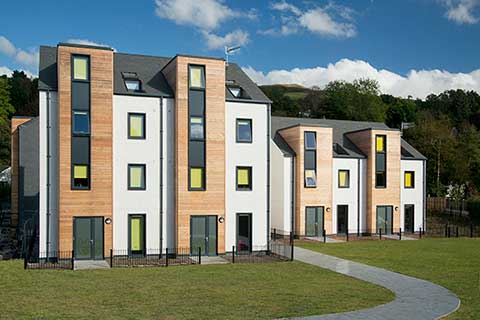
Located just outside the city, right on top of Hadrian's Wall, the Brampton Road campus is full of history, buzzing with excitement, creativity, and a sense of endless possibility. The home of creators, entertainers, rule breakers, and change-markers.
An Open Day is your opportunity to explore one of 5 campuses, meet your lecturers, and find out how the University of Cumbria could become your new home.




.webp)